








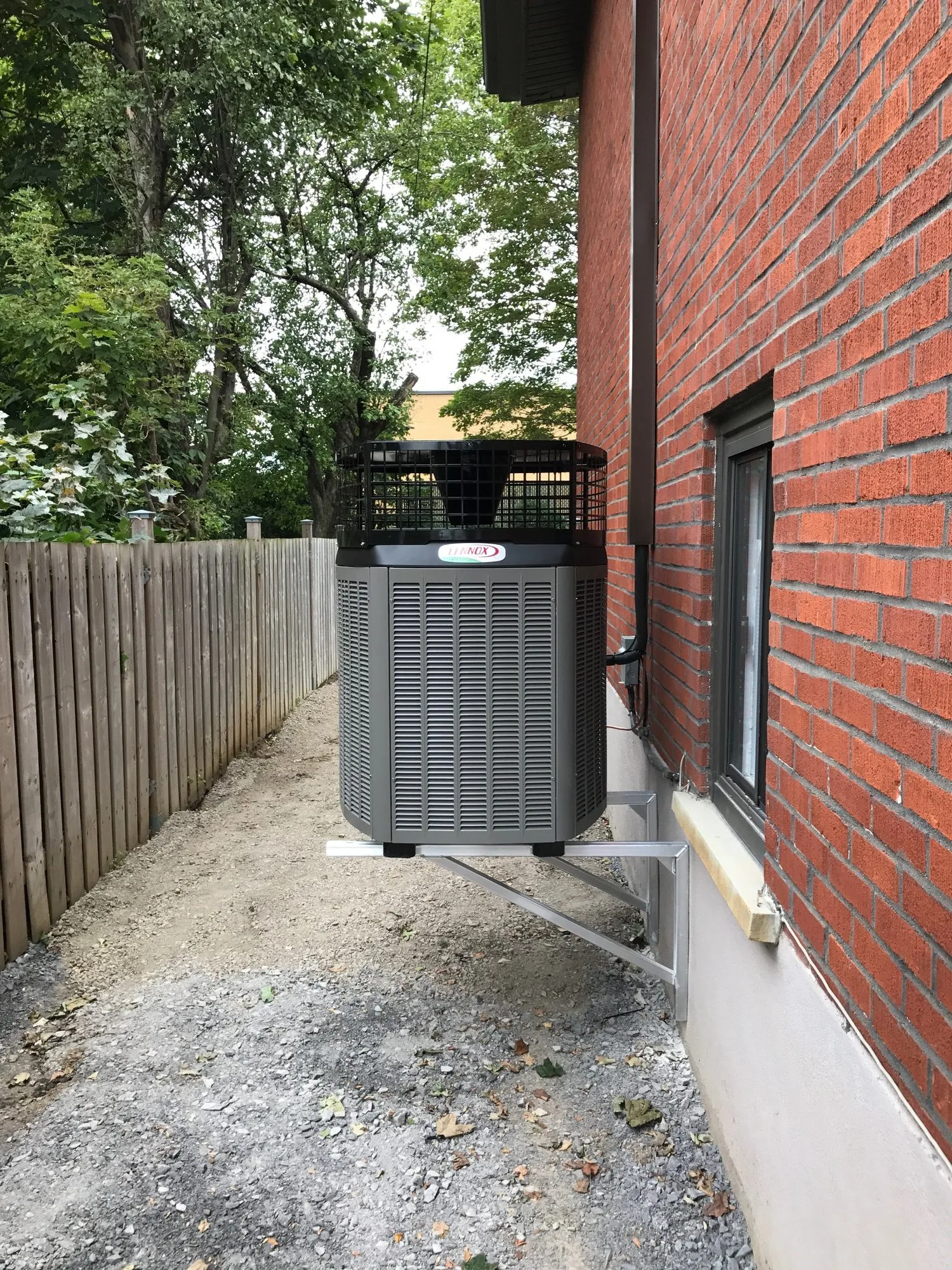
When a furnace, heat pump or air conditioner stops working the way it should, the first question is usually whether to repair it or replace it. There is no single answer that suits every home. What helps is looking at a few practical things together: the condition of the equipment, what the repair involves, how reliable the system has been, and what you want from it going forward.
This guide walks through each of those points so you can have a clear, unhurried conversation with your technician.
Start with the condition of the equipment
Age is one piece of the picture, but it is not the whole picture. A system that has been serviced regularly can look very different from one that has never had a visit, even when the two are the same age. A few things are worth considering:
- Maintenance history. Has the system been serviced on a regular schedule? If you have service reports, keep them handy.
- Overall condition. Look for visible wear, unusual noise and rooms that no longer heat or cool evenly.
- Parts and support. Ask whether parts for the model are readily available.
- Fit with your home today. A finished basement, an addition or a change in how you use the house can change what the system needs to do.
A technician can review all of this in a single visit, which is why we suggest a service visit before you make any larger decision.
Look at the repair itself
Not every repair is the same. Some are simple and quickly resolved. Others involve a major component, and the decision deserves more thought. These questions help:
- What exactly needs to be repaired, and is it a straightforward fix?
- Is it a single item, or are several components showing wear?
- Once the repair is done, will the rest of the system be in good shape?
Ask your technician to explain the repair in plain language and to show you the part involved. A repair makes good sense when the rest of the system is in sound condition. When several components are showing wear, it is reasonable to compare the repair with a replacement estimate before you decide.
Think about reliability and comfort
Numbers on an invoice are only part of the story. Consider how the system has been serving your household:
- Have you needed several service calls in recent seasons?
- Does the system keep up on the coldest and hottest days?
- Is it noisier than it used to be, or is comfort uneven from room to room?
- Do you feel you can count on it when the weather changes?
A system you can rely on is worth a good deal. If you find yourself wondering each season whether it will make it through, that is useful information to bring to the conversation.
Consider efficiency and running costs
Newer equipment is designed to use energy more efficiently, and that can lower your heating and cooling costs. Heat pumps are a good example. A heat pump provides both heating and cooling, and it can lower heating costs compared with many existing setups. Cold-climate models operate down to -30°C.
A central heat pump system keeps a furnace or electric backup for the coldest days, so it works alongside your existing heating rather than replacing it entirely. Ductless systems are another option for additions, finished basements and homes without ductwork.
What replacement can look like
If replacement is on the table, it helps to know the main options:
- Like-for-like. A new furnace or air conditioner of the same type, installed to suit your home as it is today.
- A heat pump. A single system for heating and cooling, with a furnace or electric backup where the design calls for it.
- A ductless system. A good fit where running new ductwork is not practical.
As a Lennox dealer, we can talk you through the range and explain how each option would work in your home. If you are weighing furnaces, our furnace replacement page covers what the work involves, and our heat pump replacement page does the same for heat pumps.
Two more things are worth knowing. Quebec and federal programs may offer rebates on qualifying equipment, depending on your home and the program rules, and financing is available through Financeit. Neither should decide the question by itself, but both can make replacement easier to plan.
A simple way to decide
Here is a short set of questions you can go through with your technician:
- Is the equipment in sound overall condition?
- Is the repair straightforward, involving one part rather than several?
- Has the system been reliable up to now?
- Does it still suit your home and the way you live in it?
- Would a different type of system serve you better?
If most of your answers are yes, a repair is usually a sensible choice. If several are no, ask for a replacement estimate so you can compare the two options side by side. Our furnace repair page explains how we approach repairs.
What to have ready
A little preparation makes the conversation more useful:
- The make and model of the equipment, if you can find it on the unit
- Any service reports or invoices you have kept
- A short list of what has been bothering you, such as noise or uneven rooms
- What you would like from the system next: lower running costs, added cooling, quieter operation or simply dependable heat
None of this is required. If you do not have it, we can work it out together.
Talk it through with us
If you are not sure which way to go, the simplest next step is to have a technician look at the system. We will explain what we find, describe your options in plain terms and leave the decision with you.
Ask for a free estimate, or call us at 514-696-4629. You can also write to us at info@jcdrefrigeration.com.
Need emergency service?
Emergency service available seven days a week. Our phones are answered every day.
514-696-4629